
 Fruit Vegetable Processing
 Nuts Processing Solution
 Pastry Processing Solution






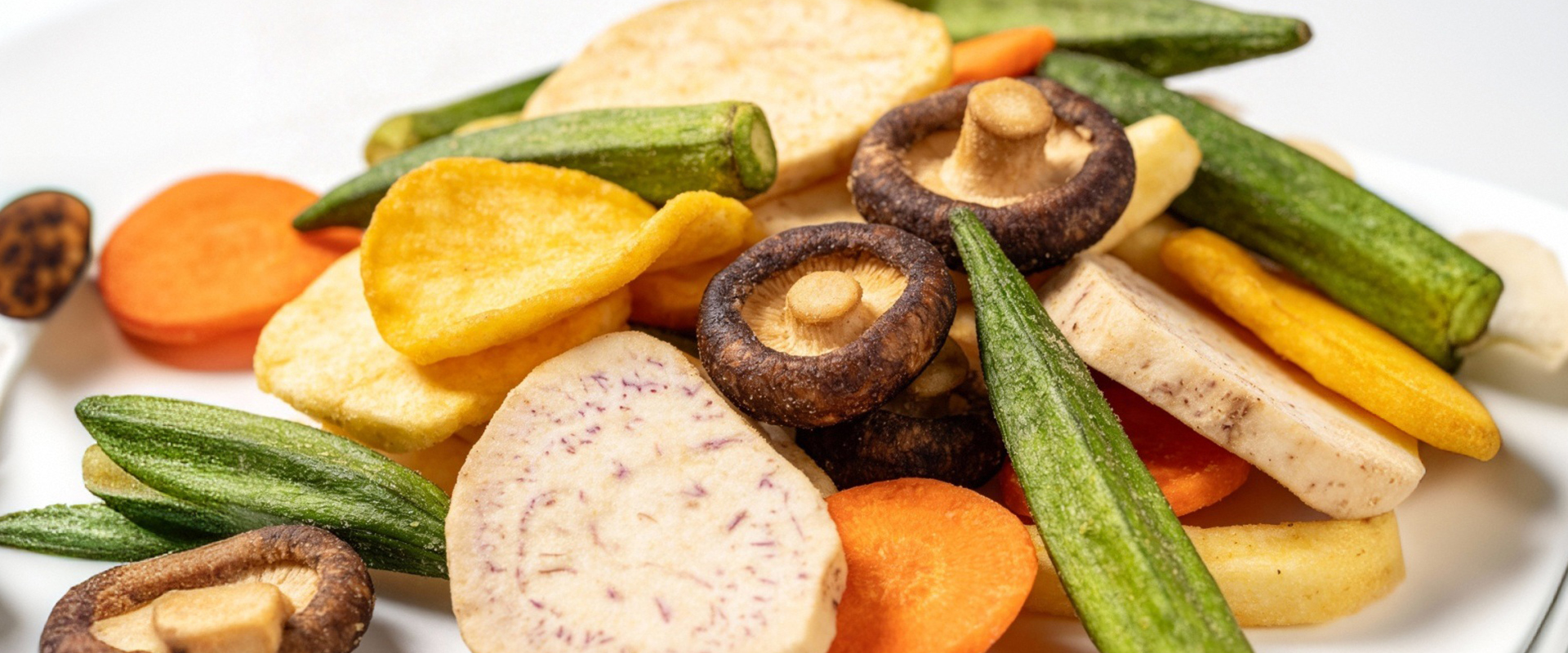

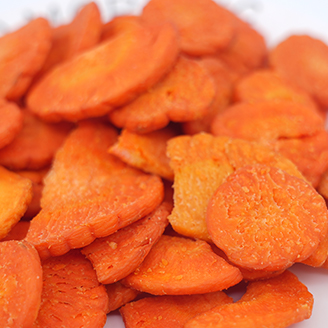
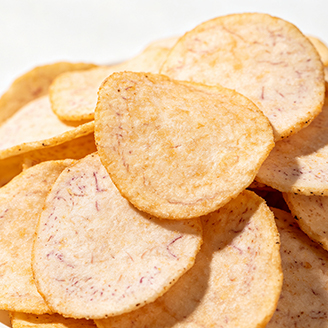
Carrot Chips Processing Line: Slice Format, Color Control and Raw Material Utilization
A carrot chips processing line combines cutting, preparation, vacuum frying, and packaging around the target snack format, carrot size range, and color expectation—not frying capacity alone.
For a real carrot chips project, the first question is not simply which machine to buy. It is whether the available carrots, target product style, expected capacity, and packaging plan can work together as a commercially practical snack line.
GELGOOG can develop a preliminary solution based on your carrot material, target cut, production volume, factory space, and packaging objective.
Start with the Carrot Snack You Want to Sell
The target finished product determines how carrots should be sorted, cut, prepared, and handled throughout the line.
| Product Direction | Typical Positioning | Main Planning Focus |
|---|---|---|
| Thin carrot rounds | Classic vegetable crisp snack | Slice thickness, color, retail appearance |
| Crinkle-cut carrot chips | Textured, differentiated snack | Cutting profile and piece integrity |
| Carrot strips | Premium snack or vegetable mix | Strip size and visual presentation |
| Carrot pieces | Mixed vegetable crisp products | Size consistency and blending |
| Mixed vegetable chips | Multi-material snack range | Different processing needs across materials |
Before planning equipment, it is useful to confirm whether the product will be a single-carrot snack or part of a mixed vegetable range, whether the desired appearance is uniform or natural, and whether the factory will receive carrots in a stable diameter range.
A target-product photo or sample pack is often the fastest way to begin this discussion.
Slice Format Is a Commercial Decision, Not Only a Cutting Decision
Carrot cutting affects shelf appearance, product positioning, usable raw-material range, and the stability of later processing.
Round slices are familiar to consumers and clearly communicate “carrot chips.” They are suitable for brands that want visible vegetable identity, but carrot diameters naturally vary from one end to another. The project should therefore define acceptable slice size, target thickness, and whether small end pieces can be included.
Crinkle-cut slices create a more distinctive appearance and may help a snack stand out visually. However, the cutting pattern should remain clear after processing, so carrot diameter, slice thickness, and the desired final texture should be considered together.
Carrot strips can fit premium snack assortments or mixed vegetable products. If the project needs both strips and slices, this should be defined before the line configuration is finalized, rather than added after installation.
The right cut is not always the most decorative one. It is the one that matches the available carrots, intended retail look, and production plan.
Color and Visual Consistency Start with Incoming Carrots
Carrot chips are judged immediately by their orange color and overall appearance. Consistency depends on connected decisions from raw-material receiving through cleaning, peeling, cutting, and process validation.
Fresh carrots can differ in color intensity, diameter, firmness, straightness, surface condition, and storage age. Large variation may lead to inconsistent slice sizes and a less balanced appearance in the final pack.
For this reason, processors should clarify:
Carrot diameter and length range;
Surface cleanliness and soil residue;
Limits for cracking, softness, decay, or severe damage;
Freshness and storage conditions;
Expected finished-product color and visual style.
Peeling and cutting also matter. Uneven surface treatment or unsuitable cutting settings can create irregular thickness and fragmented pieces. The appropriate cut should be confirmed against the actual carrot variety and target product, because thin rounds, textured slices, and strips do not perform in exactly the same way.
Better Raw Material Use Can Improve Project Flexibility
A carrot snack project does not need to rely on one perfect carrot size. Sound carrots with different specifications may be directed to different suitable product routes, helping the processor manage seasonal variation more flexibly.
| Incoming Carrot Condition | Possible Use Direction | Planning Consideration |
|---|---|---|
| Uniform, suitable-diameter carrots | Premium round or crinkle-cut chips | Supports consistent retail appearance |
| Larger-diameter carrots | Larger slices or specialty-cut products | Confirm finished-product look |
| Smaller carrots or tapered ends | Smaller pieces or selected mixed-product use | Define acceptable piece size |
| Irregular but sound carrots | Alternative cutting route where suitable | Assess shape, cleanliness, and presentation |
| Material outside snack-grade requirements | Separate from snack production and assess for other appropriate uses | Do not force unsuitable material into snack processing |
This does not mean every irregular carrot is suitable for snack production. Food safety, material condition, cleanliness, and final product standards should always come first.
Carrot Chips and Mixed Vegetable Chips Need Different Planning
Carrots can be sold as a standalone crisp snack or used to add color and ingredient recognition to mixed vegetable chips. These are not the same type of project.
Potato, sweet potato, taro, pumpkin, okra, mushroom, beetroot, and carrot differ in shape, moisture behavior, thickness, and processing response. A mixed vegetable chips project should clarify whether materials will be processed separately before blending, which product sets the production rhythm, how the mix ratio is controlled, and whether the line must switch between single-material and mixed-product production.
A mixed vegetable product should therefore be planned as its own product-development and equipment-configuration project—not simply as a carrot chips line with extra materials added later.
Typical Carrot Chips Line Scope
Depending on the target cut and project capacity, a carrot chips solution may include carrot receiving and washing, peeling, slicing or specialty cutting, process-matched preparation, dewatering, vacuum frying, deoiling, cooling, seasoning, weighing, and packaging.
The final equipment scope should be matched to your carrot size range, intended product formats, daily input, and factory conditions.
Information Needed for a Preliminary Carrot Chips Line Recommendation
A useful proposal should be based on your actual project, rather than a generic equipment list.
| Information to Provide | Why It Matters |
|---|---|
| Fresh carrot photos | Assesses diameter variation and surface condition |
| Average carrot diameter and length | Supports cut-style discussion |
| Target finished-product image | Clarifies shape, thickness, color, and pack appearance |
| Planned product range | Identifies whether slices, strips, or mixed products are required |
| Expected fresh-material input | Helps match the line to your capacity target |
| Packaging format and net weight | Supports packaging and product-handling planning |
| Available workshop dimensions | Supports preliminary layout discussion |
Build the Line Around Your Actual Carrots and Product Goal
The right carrot chips line starts with your carrot diameter range, target cut style, planned product mix, and packaging goal—not fryer size alone.
Send GELGOOG fresh carrot photos, your target product image, expected capacity, and available factory space for a preliminary slice-format and equipment configuration recommendation.
Request a Preliminary Solution WhatsApp an Engineer