 Fruit Vegetable Processing
 Nuts Processing Solution
 Pastry Processing Solution







Fresh Pineapple Sorting and Packing Solution
A fresh pineapple line is not simply a washing line followed by a conveyor. Its commercial purpose is to turn mixed incoming fruit into clearly defined, consistently packed grades that buyers can accept and reorder.
For exporters, retail suppliers, and packing houses, the key result is not how many pineapples enter the line. It is how many cartons leave the factory at the agreed size, appearance, maturity, and packing standard.
Define the Saleable Grade Before You Define Capacity
A “Grade A pineapple” can mean very different things for different buyers. One customer may focus on fruit weight and carton count. Another may require color consistency, crown condition, external-defect limits, or a narrow maturity range.
| Grade Requirement | What You Need to Define | Equipment or Process Impact |
|---|---|---|
| Fruit size | Weight, diameter, or count per carton | Determines grading logic and packing arrangement |
| Appearance | Color, shape, crown condition, and surface defects | Determines manual inspection or optical sorting requirements |
| Maturity consistency | External color or other agreed quality indicators | May affect grading rules and lot separation |
| Internal condition | Whether internal defects or quality variation are buyer concerns | May justify evaluation of optional non-destructive inspection |
| Packing standard | Carton weight, fruit count, liner, divider, tray, or crate | Determines packing-station and carton-handling design |
The most useful capacity discussion is therefore not “How many tons per hour?” but how many export-ready or retail-ready cartons can this line produce per hour under the agreed grade standard?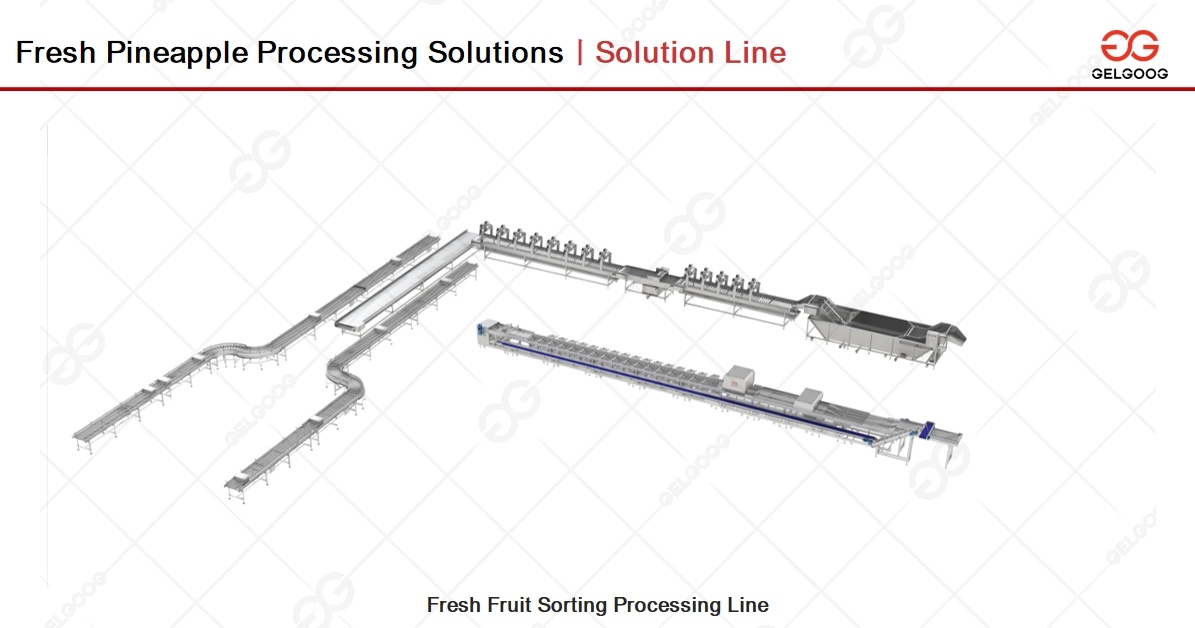
Send Your Fruit Photos and Grade Standard
GELGOOG can help define the receiving flow, grading criteria, output lanes, and packing connection for your pineapple project.
Get a Preliminary Sorting ProposalMatch Sorting Lanes to Your Real Product Plan
More sorting lanes are not automatically better. The number of lanes should reflect how many saleable grades you actually need and how your packing team will handle them.
A project may need separate outlets for:
Premium export grade;
Standard domestic-market grade;
Smaller fruit for specific buyers;
Fruit requiring re-inspection;
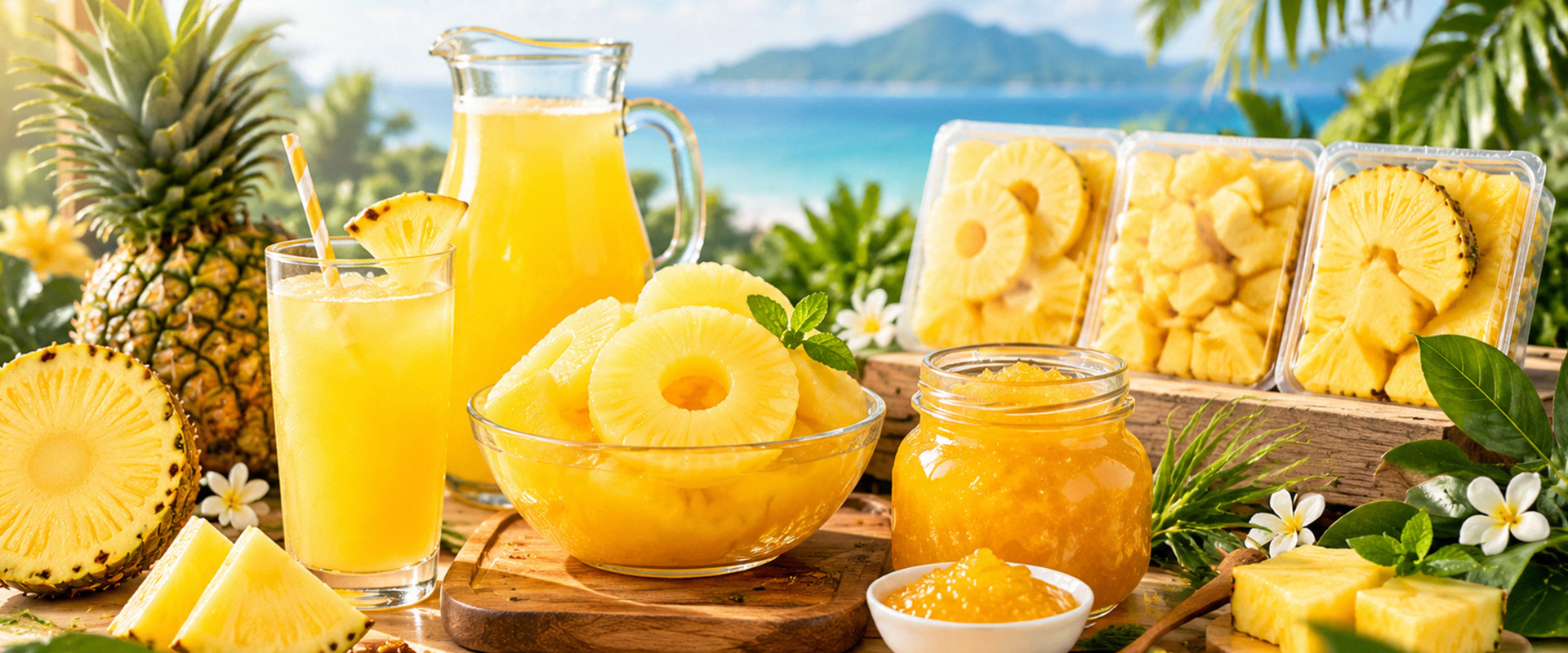
Off-grade but usable fruit diverted to juice, jam, or another processing route.
If a line creates more grades than your sales team can price, pack, and dispatch separately, the additional sorting complexity may not create real value. Conversely, too few outlets can force different grades back into the same packing stream.
A Process Designed to Protect Saleable Fruit
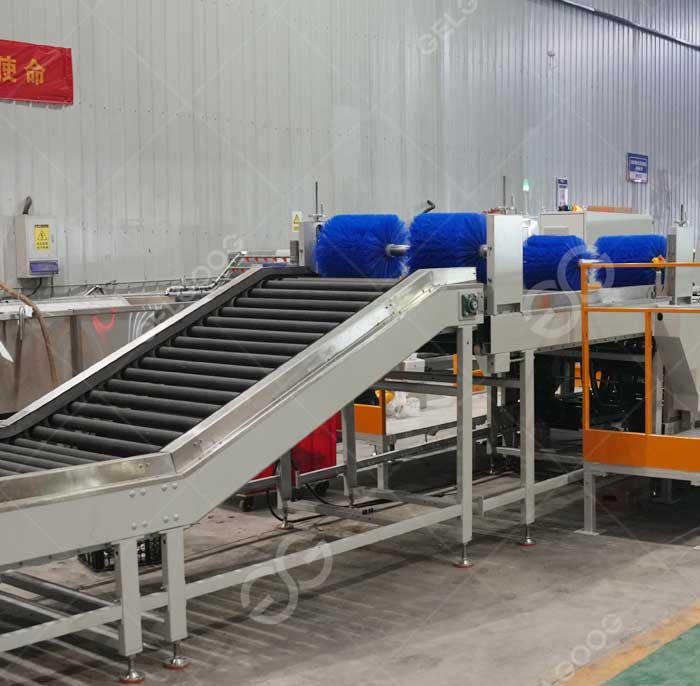
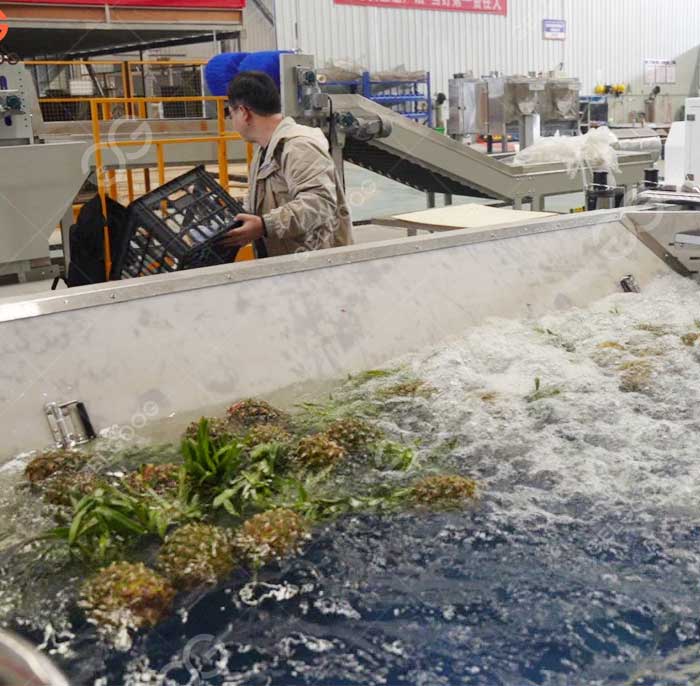
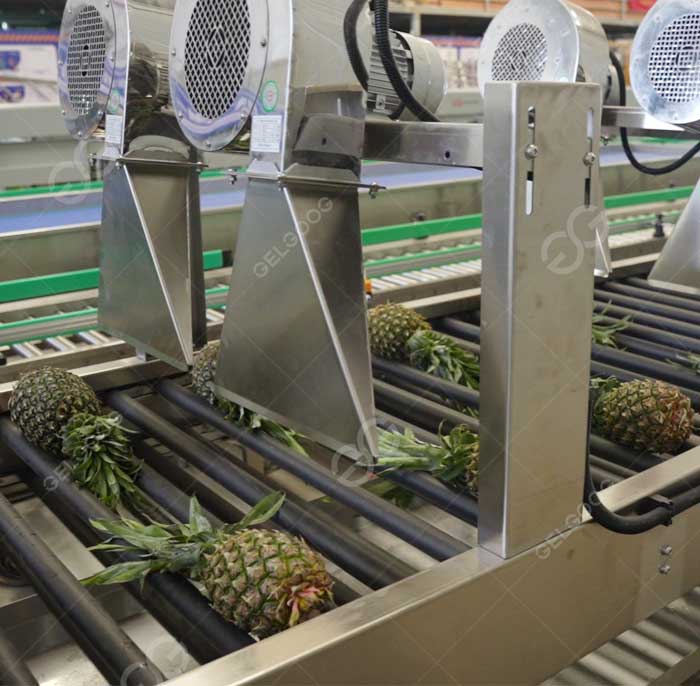
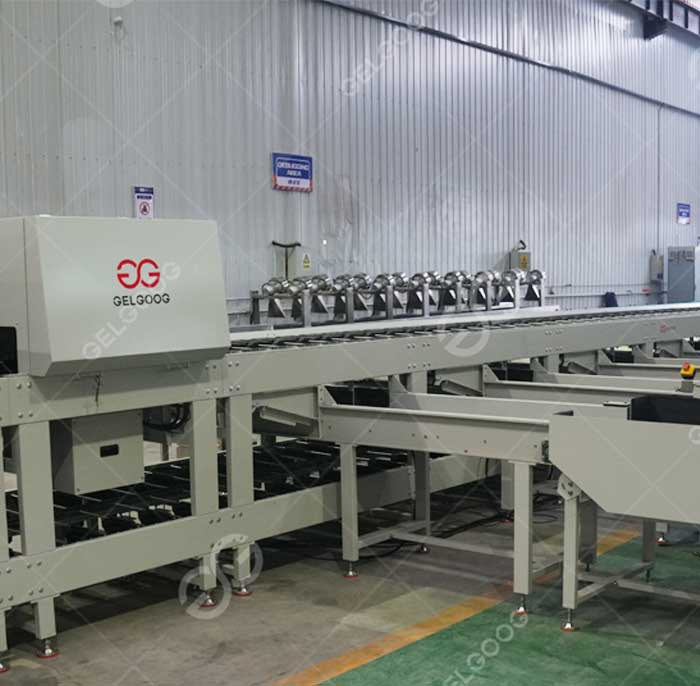
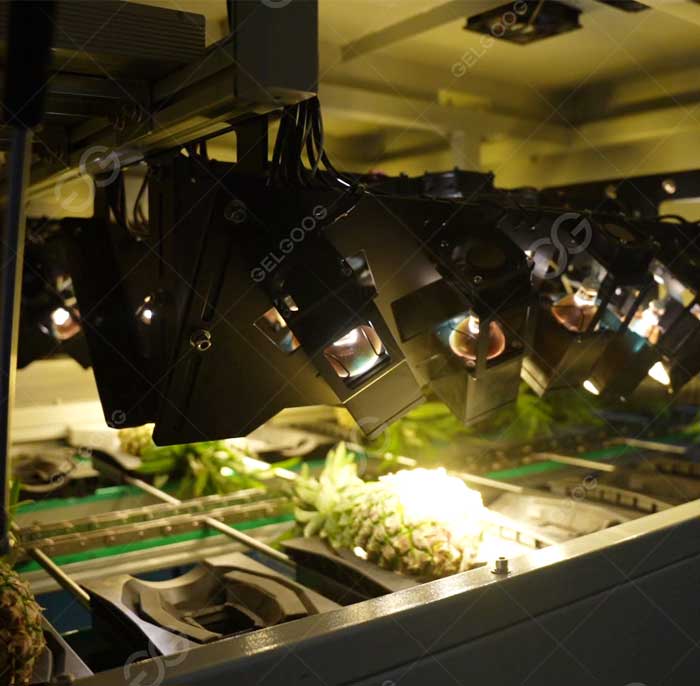
Raw fruit receiving → manual pre-selection → washing → surface drying → size and appearance grading → optional internal-quality inspection → optional waxing → final drying → packing → carton handling
| Processing Stage | Main Purpose | Important Project Question |
|---|---|---|
| Receiving and pre-selection | Keep severely damaged or unsuitable fruit out of the main line | Where will rejected fruit be handled? |
| Washing | Remove field dirt before grading and packing | What water-management and sanitation procedures are required? |
| Surface drying | Reduce free water before inspection and packing | Can the dryer match the line speed without bruising fruit? |
| Grading | Create saleable product categories | Which grade standards are commercially useful? |
| Packing | Convert sorted fruit into a shipment-ready unit | Can packing keep up with grading output? |
Optional waxing may be considered only where it is compatible with the fruit, buyer specification, packaging method, and destination-market requirements. It should not be treated as a standard requirement for every fresh pineapple project.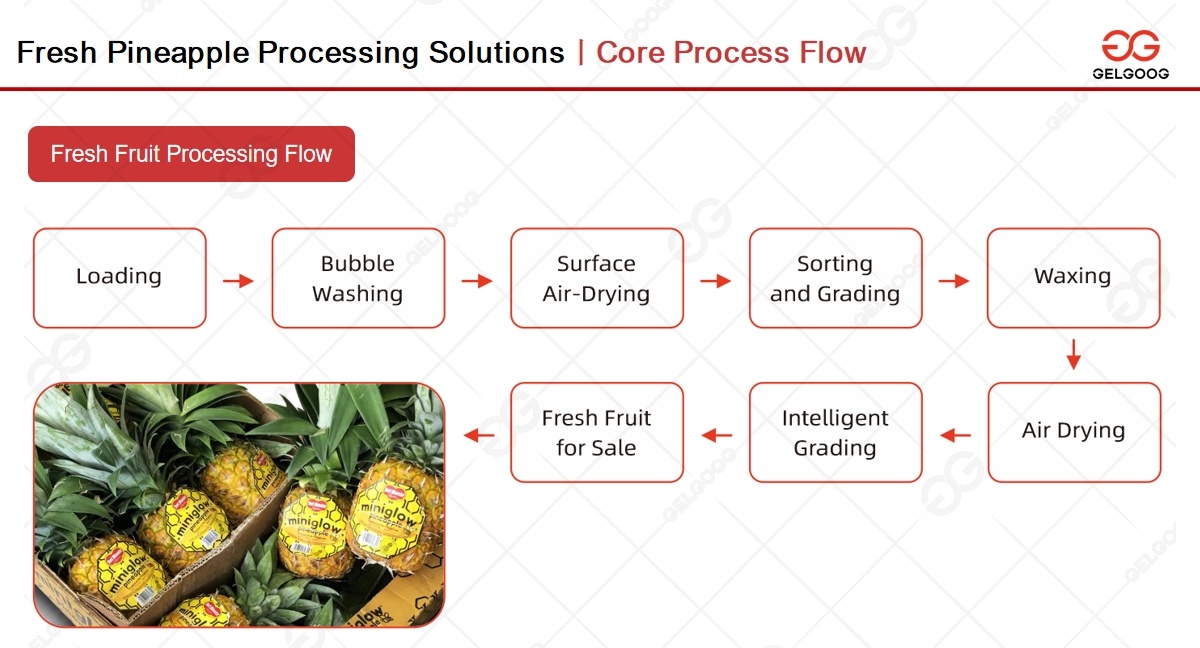
Plan the Packing Area as Part of the Line
Fresh-fruit projects often focus heavily on the sorter while underestimating the packing area. Yet cartons are where the sales grade becomes a finished commercial product.
Carton erection and carton availability;
Number of fruit per carton or target net weight;
Whether fruit is hand-arranged, tray-packed, or packed in bulk;
Labeling, coding, or traceability requirements;
Carton sealing and palletizing;
Space for temporary holding before dispatch.
If the packing team needs to manually correct too many fruit after sorting, the grading rules may be too broad, the sorter settings may need adjustment, or the receiving standard may be inconsistent.
Use Sample Testing to Set Expectations Before Delivery
Fresh pineapple quality varies by variety, season, maturity, field handling, and size distribution. A reliable project should therefore use representative samples where possible.
A sample assessment can help clarify:
The usable fruit-size range;
The percentage of fruit likely to require manual re-inspection;
Which defects can be identified and separated;
Whether the proposed grade categories are practical;
The likely flow connection between sorting lanes and packing stations;
The acceptance criteria to be used during commissioning.
Acceptance should not be based only on line speed. It should include agreed raw-fruit conditions, grading criteria, discharge-lane logic, product handling condition, and packing connection.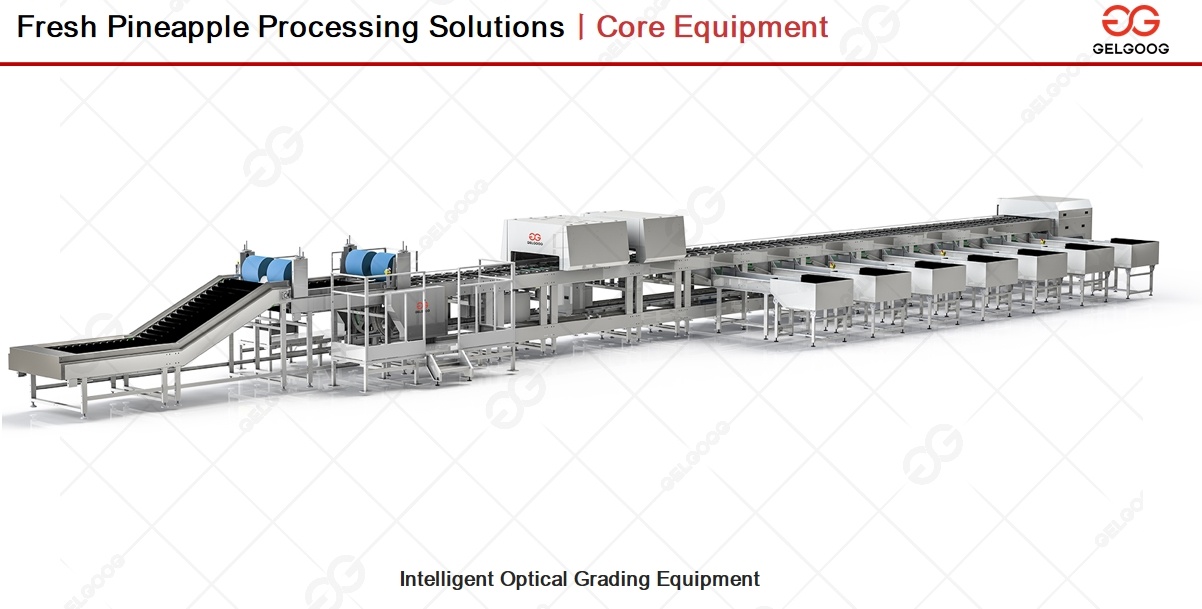
Related Equipment
AI-Powered Fresh Fruit Sorting System — evaluate sorting options for weight, size, color, shape, and external-quality requirements.
Fruit Washing and Air-Drying Line — connect fruit cleaning and surface drying before grading or packing.
Fresh Pineapple FAQ
Can the same line handle domestic and export grades?
Usually, yes, if the grading logic and output-lane arrangement are planned around both markets. Export-grade fruit may require a different inspection, packing, or traceability procedure from domestic-market fruit.
Is optical sorting necessary for every pineapple project?
No. Optical sorting is most useful when your sales model requires more consistent appearance or size classification than manual sorting can reliably provide at the required output.
Can off-grade fresh pineapples be sent to juice or jam production?
Potentially, but only after confirming that the fruit remains suitable for food processing. Cosmetic defects are different from spoilage, contamination, or serious quality defects.
Should every fresh pineapple line include waxing?
No. Waxing is optional and should be evaluated according to fruit condition, buyer specification, packaging method, and destination-market requirements.
What should be used as the acceptance standard for a sorting and packing line?
The acceptance standard should define sample fruit condition, grade categories, sorting rules, discharge lanes, fruit handling condition, and packing output—not only nominal conveyor capacity.
Get a Fresh Pineapple Sorting and Packing Proposal
Send your fruit photos, target grade standard, packaging format, and required capacity. We can help you define the suitable sorting, packing, and project-testing scope.
Request a Proposal WhatsApp Us